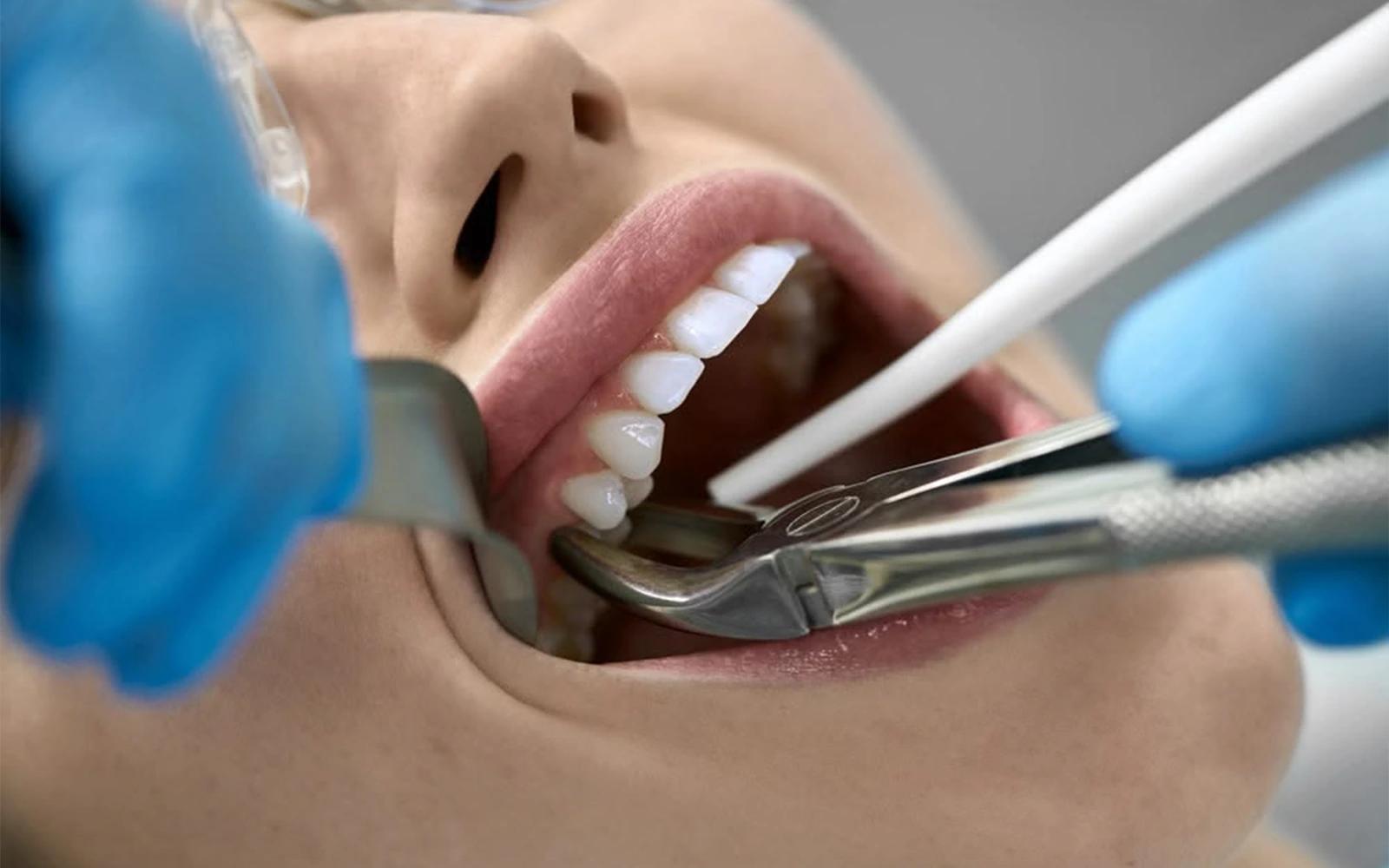
Tooth Extraction in Dubai: When It’s Needed, Procedure, Recovery, and Aftercare
Tooth extraction in Dubai is done when a tooth cannot reasonably be saved. At Kayla in Al Warqa 1 we explain why extraction may be needed, aftercare, and replacement options after a dental exam—not from an ads checklist.
Searches for tooth extraction in Dubai often sit next to fear of pain and ads that skip the question of whether the tooth can still be saved. At Kayla Medical Center, on the ground floor of Noori Building in Al Warqa 1, extraction is described as care when keeping the tooth is no longer the better path. We explain why, how to look after the socket, and replacement options if needed. The clinic is licensed by the Dubai Health Authority, and you can speak Arabic or English.
This article does not invent Kayla surgical protocols, sedation packages, or AED prices. Extraction is not the default instead of a filling, crown, or root canal when those options have a reasonable prognosis.
When Might You Need a Tooth Extraction?
ADA MouthHealthy describes extraction as removing a tooth, usually because of disease, trauma, or crowding. NHS notes that wisdom teeth are removed only when they cause problems such as pain, infection, decay, or cysts—not automatically. Other teeth may need removal when decay or fracture leaves too little structure, infection cannot be controlled with restorative or endodontic care, or the tooth is unrestorable after examination and imaging.
- Severe decay or a broken tooth that cannot be restored
- Infection or abscess when saving the tooth is not realistic
- Crowding as part of an orthodontic plan, when the dentist recommends it
- Wisdom teeth that are impacted or repeatedly infected—not every wisdom tooth
Extraction vs Filling, Root Canal, or Crown
A filling restores a cavity when enough tooth remains. Root canal treatment aims to keep a restorable tooth whose pulp is inflamed or infected. A crown may protect a weakened tooth after large repair or endodontic treatment. Extraction removes the tooth entirely. Neither path is universally “better”; the exam decides.
- Dental fillings in Dubai
- Root canal treatment in Dubai
- Dental crowns vs bridges
- Root canal service at Kayla
Simple vs Surgical Extraction
In general dentistry, a simple extraction is discussed when the tooth can be loosened and removed after the area is numb. A surgical extraction may be discussed when the tooth is broken at gum level, has curved roots, or is partly covered by bone or gum—as with some wisdom teeth. NHS describes gum incision, widening the socket, and sometimes dividing the tooth. Kayla does not publish a fixed technique list; your clinician explains what your X-ray suggests.
What to Expect on the Day
ADA notes the dentist numbs the area first to lessen discomfort. NHS wisdom-tooth pages describe local anaesthetic as usual; sedation or general anaesthetic is reserved for more difficult or anxious cases and is not presented here as a standard Kayla package. You may feel pressure. We do not claim extraction is completely painless for everyone.
Recovery and Aftercare
A blood clot should form in the socket. ADA MouthHealthy advises avoiding smoking, vigorous rinsing, and drinking through a straw for about 24 hours, following the diet your dentist suggests, and rinsing gently if you must rinse in the first days. NHS recovery tips include soft food, keeping the wound clean as advised, and pressing on bleeding with clean gauze. Follow the written sheet from your visit first—generic blogs do not override it.
- Bite on gauze as instructed; a little oozing can be normal at first
- Avoid dislodging the clot (straws, spitting hard, smoking)
- Use cold packs on the face if swelling is discussed for your case
- Clean other teeth carefully; avoid scrubbing the socket until advised
Possible Risks and Dry Socket
Complications can include prolonged bleeding, swelling, infection, and dry socket—when the clot does not form or is lost before healing. NHS lists dry socket as painful and sometimes linked to a bad taste; nerve-related numbness is discussed mainly for lower wisdom teeth and is usually temporary but can last longer. Seek urgent dental advice for bleeding that will not stop, worsening pain and swelling, fever, or feeling very unwell.
Replacing a Missing Tooth
After an adult tooth is removed, a gap may affect chewing and neighbouring teeth over time. NHS describes bridges as a fixed replacement using neighbouring teeth, and dentures as removable. Kayla offers crowns and bridges as a documented service; implant treatment is not a listed treatment slug on this site, so this article does not invent an implant menu. Replacement timing is planned after the socket has been reviewed.
Tooth Extraction Cost in Dubai
Cost depends on which tooth, whether the extraction is simple or surgical, imaging, and follow-up. Online prices are not your quote. Kayla confirms the fee after examination, before treatment.
Pediatric notes
Primary teeth are sometimes extracted when they cannot be saved. The plan still starts with an exam and parent consent. See our pediatric dentistry guide for child visits.
Frequently Asked Questions
No. Pain can come from reversible inflammation, a filling need, or pulp disease that might be treated with root canal therapy. Extraction is for when saving the tooth is not the better option.
Local anaesthetic usually controls sharp pain during the visit. Pressure is common. Afterward, soreness is expected. Completely painless extraction is not promised for every patient.
It varies with the tooth and difficulty. NHS notes pain and swelling after wisdom-tooth removal often improve after a day or two but can last longer. Your clinician’s advice comes first.
A painful condition when the blood clot in the socket is lost or does not form properly. Contact the clinic if pain worsens after the first days or you notice a bad taste with increasing pain.
No. NHS says problem-free wisdom teeth are usually monitored. Removal is considered when they cause issues.
Often yes, once healing allows. Bridges are a documented option at Kayla. Timing and suitability need a review of the gap and neighbouring teeth.
Fees depend on complexity. This page lists no AED prices. Confirm after examination.
No. Imaging and examination decide whether extraction, root canal, or another path fits.
Conclusion: Talk Through Extraction at Kayla Medical Center
Tooth extraction in Dubai should follow a clear reason, anaesthesia that fits the case, and aftercare you can follow. At Kayla Medical Center in Al Warqa 1 we examine first, explain alternatives such as root canal treatment when they apply, and confirm fees before the appointment. Book via the extraction service page or contact the clinic.
Further reading
- Extractions, MouthHealthy (ADA)
- Wisdom tooth removal, NHS
- Dental treatments including bridges after tooth loss, NHS
This page is general information from Kayla Medical Center, not a diagnosis. For swelling that is spreading, difficulty swallowing or breathing, or bleeding that will not stop after extraction, seek urgent care.