Dental Fillings in Dubai: Types, Procedure, Cost, and Aftercare
Dental fillings in Dubai restore teeth with cavities or suitable minor damage. At Kayla in Al Warqa 1 we explain filling types, steps, aftercare, and cost factors after a dental exam—not from a price list alone.
Searches for dental fillings in Dubai often sit next to photos of white fillings, unclear cost posts, and worry about the drill. At Kayla Medical Center, on the ground floor of Noori Building in Al Warqa 1, we start with a dental examination—and imaging when needed—before we confirm whether a filling is the right restoration. The clinic is licensed by the Dubai Health Authority, and you can speak Arabic or English.
Our composite filling service is described as tooth-coloured resin to restore cavities while keeping a natural look. Suitability, material choice, and fees are decided after assessment—this article does not invent Kayla prices, equipment lists, or guaranteed outcomes. Fillings are not the same as root canal treatment, crowns, bridges, whitening, or a Hollywood Smile plan.
What Are Dental Fillings?
A dental filling restores a tooth after decayed or damaged structure is removed. The material seals and rebuilds the prepared area so you can chew more comfortably and help limit further breakdown. ADA MouthHealthy notes that filling materials are chosen with your dentist based on cavity size and location, appearance goals, durability expectations, and cost—not one material for every tooth.
NHS guidance explains that fillings repair a hole caused by decay, and that the dentist offers the type that fits clinical need. Early enamel changes may be managed with fluoride advice or other preventive steps; a formed cavity usually needs restorative treatment.
Why Might You Need a Dental Filling?
You may need a filling when a cavity has formed, when a small chip or worn area can be restored conservatively, or when an older restoration is leaking or broken and can still be replaced with a filling. Left untreated, decay can deepen toward the pulp and raise the chance of pain, infection, root canal treatment, or extraction—paths that are different clinical decisions from a routine filling.
Common Signs and Symptoms of Tooth Decay
Tooth decay may cause no symptoms at first. NHS tooth-decay guidance lists later signs such as toothache, sharp pain with hot, cold, or sweet foods and drinks, and white, brown, or black spots on a tooth. Infection can lead to a dental abscess. Regular check-ups still matter even when you feel fine.
- Toothache or lingering sensitivity to temperature or sweets
- Visible spots, pits, or rough areas on enamel
- Pain when biting, or food catching in a groove
- Swelling, bad taste, or signs of infection—seek care promptly
What Causes Cavities and Tooth Damage?
ADA MouthHealthy describes cavities as enamel destruction driven by plaque bacteria that make acids when you eat or drink sugars. Over time enamel breaks down and a hole can form. Gum recession can expose softer root surfaces. Older fillings may leak at the margins and allow new decay. Frequent sugar, incomplete cleaning, and skipped check-ups raise risk. Minor fractures from grinding or trauma may also need restoration when structure is lost.
Types of Dental Fillings
Common options discussed by ADA MouthHealthy include composite (tooth-coloured) resins, dental amalgam (silver-coloured metal alloy), and gold restorations such as inlays or onlays. Glass ionomer materials are also used in selected situations, for example where fluoride release or bonding to dentine is useful, though they are generally less wear-resistant than composite or amalgam on heavy biting surfaces. Not every material suits every tooth, bite force, cavity size, or patient preference.
Composite Resin Fillings: Features and Benefits
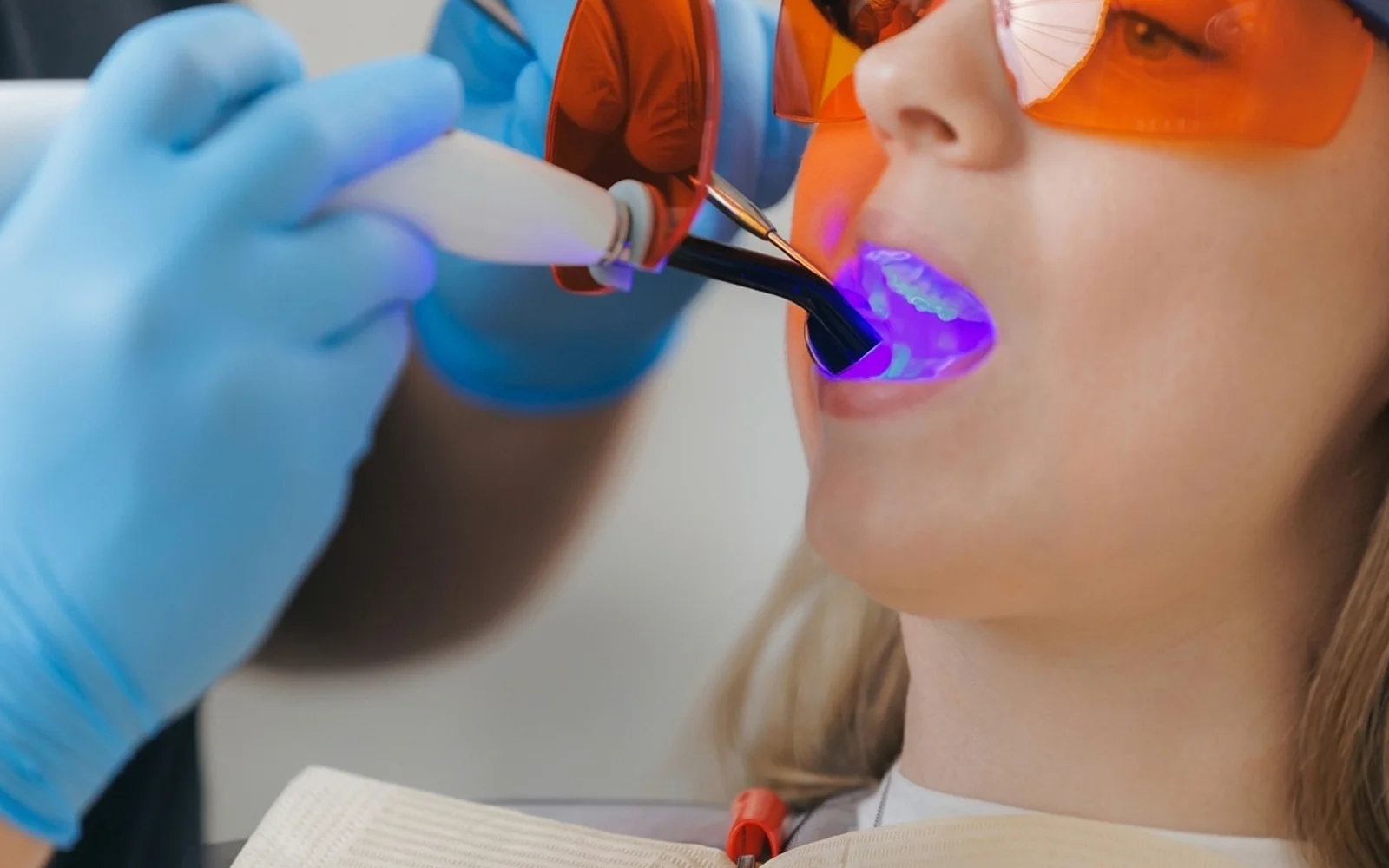
Composite resins mix resin with glass or quartz filler. They can be shade-matched and bonded to tooth structure, which often allows a more conservative preparation than older approaches for some cavities. ADA notes they work well for many small- to mid-size restorations on front or back teeth that face moderate chewing stress. Placement usually takes longer than amalgam because the field must stay clean and dry, and a curing light hardens the layers—as shown in many clinic photos of white filling appointments.
Composites can cost more than amalgam and may need replacement sooner in some studies; no filling lasts forever. Staining or wear can appear over time. Your dentist weighs cosmetics, cavity size, moisture control, and bite forces before recommending composite for your case. Kayla’s published composite filling page emphasises tooth-coloured restoration for suitable cavities and explains when a deeper treatment may be needed after exam.
Other Dental Filling Materials
- Amalgam: durable metal alloy used for generations; stronger wear profile in many biting situations, but silver-coloured and less natural looking
- Glass ionomer: bonds to tooth structure and may release fluoride; often chosen for selected sites, not as a universal heavy-load chewing surface material
- Gold inlays/onlays: highly durable laboratory restorations; higher cost and metallic appearance
Material choice depends on tooth location, restoration size, bite forces, clinical condition, moisture control, appearance goals, and your dentist’s assessment. This page does not claim every option is offered for every patient at Kayla.
How Is a Dental Filling Procedure Performed?
After history and examination, the dentist confirms the tooth needs a filling rather than monitoring, fluoride therapy alone, a crown, root canal treatment, or another plan. Local anaesthetic is used when needed so you are comfortable while decay is removed and the tooth is shaped. The chosen material is placed, shaped to your bite, and finished. Composite is typically layered and light-cured.
Step-by-Step Dental Filling Procedure
- Exam and, when indicated, X-rays to map decay depth and nearby pulp
- Discussion of material options suited to that tooth
- Local anaesthesia when required; isolation to keep the field dry for bonded materials
- Removal of decayed or unsupported tooth structure and preparation of the cavity
- Placement of the filling material, curing or setting as required, then bite check and polish
- Aftercare advice and a plan for review if sensitivity or bite issues persist
Is Getting a Dental Filling Painful?
Many people feel pressure, vibration, or water spray more than sharp pain once anaesthetic is working. The injection itself can sting briefly. We do not claim filling appointments are completely painless for everyone. Deep decay near the pulp can stay tender afterward. Tell the dentist if you feel pain during treatment so anaesthesia or the plan can be adjusted.
How Long Does a Dental Filling Take?
Time varies with cavity size, tooth location, number of surfaces, material, and whether one or several teeth are treated in the same visit. Composite often takes longer than amalgam because of bonding and curing steps. Kayla does not publish a fixed minute count in this article; your clinician will estimate after seeing the tooth.
Dental Filling Recovery and Aftercare
Avoid chewing hard foods on a numb lip or tongue until feeling returns. Mild sensitivity to cold or bite pressure can last days to a few weeks and often settles. Contact the clinic if pain worsens, swelling develops, the bite feels high, or sensitivity does not improve as advised. Brush with fluoride toothpaste, clean between teeth daily, limit frequent sugary snacks and drinks, and keep regular check-ups so margins can be monitored.
- Wait until numbness fades before hot drinks or tough chewing
- Return if the filling feels high or catches when you bite
- Maintain plaque control to reduce recurrent decay at filling edges
How Long Do Dental Fillings Last?
No filling lasts forever. Longevity depends on material, cavity size, bite forces, grinding habits, diet, oral hygiene, and recall care. ADA notes that some studies find composites may need replacement more often than amalgam in comparable situations. We do not promise a specific lifespan in years for fillings at Kayla.
Possible Risks and Complications
- Temporary sensitivity to temperature or bite
- Restoration fracture, wear, staining, or leakage over time
- Recurrent decay around margins if plaque control is poor
- Need for further treatment if decay was close to the pulp or symptoms persist
- Rare allergic or material-related reactions—discuss known allergies before treatment
Dental Filling Cost in Dubai
Fees in Dubai vary with the number of surfaces, material, tooth position, whether a liner or build-up is needed, imaging, and whether more than one tooth is treated. Insurance coverage differs by plan. Kayla does not list AED prices in this article. After examination we explain the recommended restoration and the fee for your plan before you book treatment.
When Might You Need a Crown Instead of a Filling?
A large cavity, a tooth with little remaining walls, cracks that undermine cusps, or a tooth after root canal treatment may need a crown or another indirect restoration rather than a conventional filling. Bridges replace missing teeth; they are not fillings. Whitening and Hollywood Smile / veneer pathways address colour and smile design, not cavity repair. If pulp infection is present, root canal treatment may come first.
- Crowns and bridges at Kayla
- Dental crowns vs bridges guide
- Root canal treatment at Kayla
- Root canal treatment in Dubai article
Frequently Asked Questions
When a cavity or suitable structural defect needs restorative sealing after decay or damaged tooth structure is removed. Early demineralisation without a hole may be managed differently after exam.
“Better” depends on the tooth. Composite blends in colour and bonds to tooth structure; amalgam is often very durable and more affordable but looks metallic. Your dentist matches material to cavity size, location, and goals.
Local anaesthetic usually controls sharp pain during the visit. You may still feel pressure. Temporary sensitivity afterward is common. It is not accurate to promise a completely painless experience for every patient.
Lifespan varies widely. Material, bite, hygiene, and cavity size all matter. No filling is permanent; replacements are common over a lifetime.
Protect numb tissues until sensation returns, keep excellent cleaning, avoid relying on sugary snacking, and return if the bite feels wrong or pain increases.
No. Very large defects, cracked teeth needing cuspal coverage, or pulp disease may need crowns, root canal treatment, or other care instead of or after a filling.
Cost depends on surfaces, material, and clinical complexity. Ask for a written estimate after examination. This article does not publish Kayla fees.
Not always. Stains and early white-spot lesions are not automatically cavities that need drilling. Only an exam can tell what treatment, if any, is appropriate.
A filling restores enamel and dentine after decay removal when the pulp is still healthy enough. Root canal treatment cleans infected or inflamed pulp inside the root system, then the tooth is sealed—often with a later crown.
Conclusion: Book a Dental Assessment at Kayla Medical Center
Dental fillings restore suitable cavities and minor defects after clinical assessment. Composite and other materials each have trade-offs; procedure comfort, recovery, and longevity vary. At Kayla Medical Center in Al Warqa 1 we explain options—including our composite filling service—and next steps only after we examine your teeth. Suitability always requires a qualified dental professional.
Further reading
- Dental filling options, MouthHealthy (ADA)
- Composite fillings, MouthHealthy (ADA)
- Cavities overview, MouthHealthy (ADA)
- Tooth decay, NHS
This page is general information from Kayla Medical Center, not a diagnosis or a treatment plan written for you. For severe dental pain, facial swelling, or fever, contact your dentist or seek urgent care.