Dental Gap Closure in Dubai: Bonding, Veneers, Aligners, and Cost
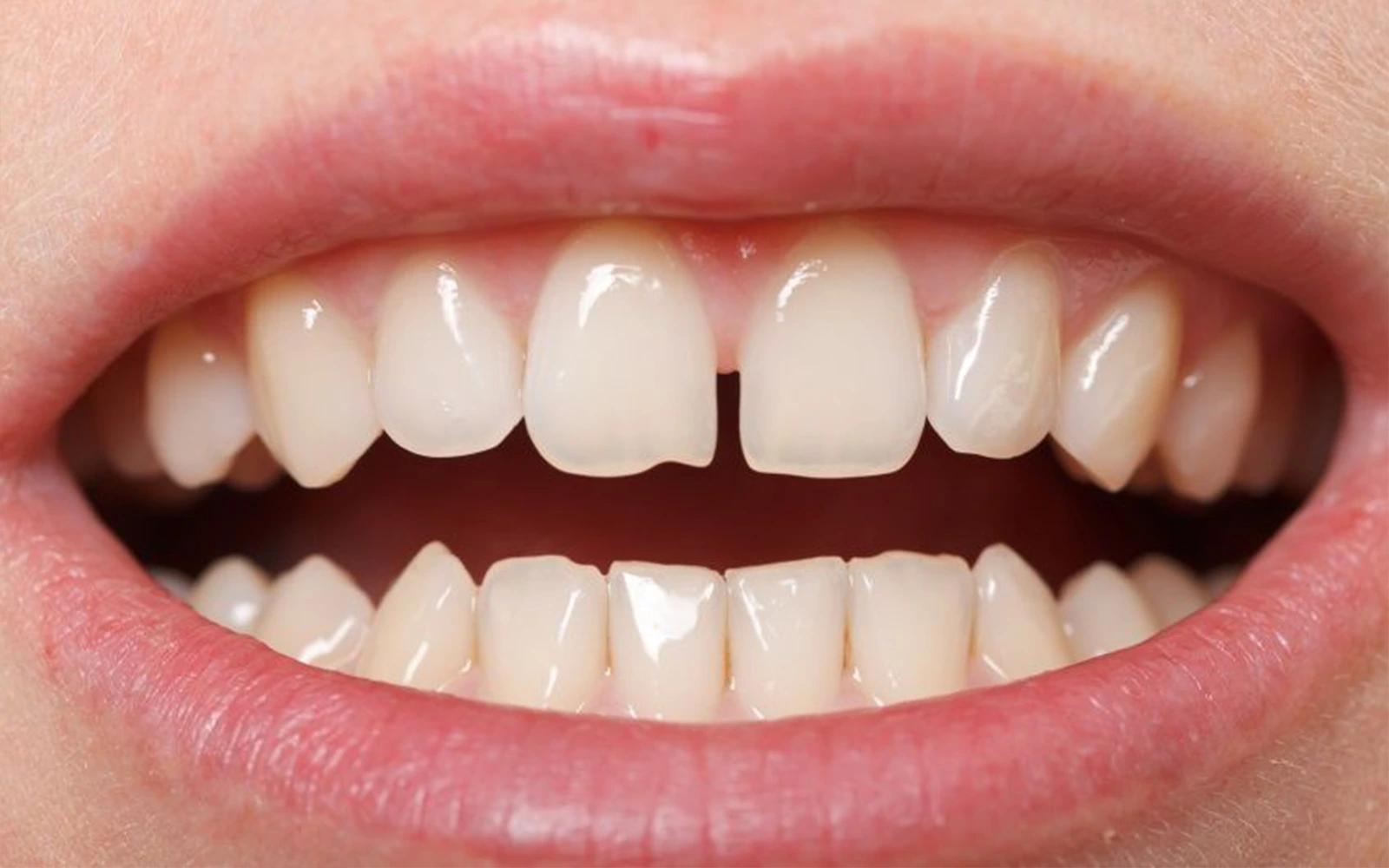
Dental gap closure in Dubai at Kayla in Al Warqa 1 is planned after we see the space, bite, and gums. Small gaps may suit bonding; wider spaces may need veneers or orthodontics—not a one-visit promise from a photo.
If you are looking up dental gap closure in Dubai, you probably have a space between teeth that shows when you smile—or food that traps there—and you want to know whether bonding, a veneer, or braces will close it. At Kayla Medical Center, on the ground floor of Noori Building in Al Warqa 1, gap closure is described as closing spaces with bonding, veneers, or orthodontic approaches depending on how wide the gap is. The clinic is licensed by the Dubai Health Authority, and you can speak Arabic or English.
This article covers what a dental gap is, how it differs from a missing-tooth space, the options Kayla already lists, consultation, recovery, risks, and cost factors. It is not a diagnosis and not a promise that every gap closes in one visit.
What a dental gap is—and what it is not
A space between two teeth that are both present is often called spacing or, between the upper front teeth, a diastema. The American Association of Orthodontists notes that gaps can come from tooth-and-jaw size mismatch, habits such as tongue thrust, gum disease in adults, or missing teeth that let neighbours drift. Not every gap needs treatment; some are cosmetic only. Larger or widening spaces can trap food, affect the bite, or signal gum problems that need care first.
A gap left by a tooth that was extracted or never erupted is a different problem. That space may need a bridge or another replacement plan—see our crowns versus bridges guide. This page is about closing spaces when the teeth on either side are still there, unless we find a missing tooth during the exam.
Bonding, veneers, or braces: options Kayla lists
Kayla’s gap-closure service says a space is closed according to its width: cosmetic composite for a small gap, veneers, or orthodontics if the space is wider. The American Dental Association’s MouthHealthy pages describe bonding as attaching tooth-coloured material directly to the tooth, and veneers as thin shells that can also mask gaps—usually after some enamel is removed, which is not reversible. The NHS notes that braces are used when there are large gaps between teeth, among other alignment problems. We match the method to your bite and gums after we have looked, not from a selfie filter.
- Composite bonding: tooth-coloured resin added to the sides of teeth to visually close a small space; can stain or chip and may need repair.
- Porcelain veneers: custom shells on the front surfaces when colour and shape as well as the gap need a planned change.
- Braces or clear aligners: move teeth to close space when alignment or bite is the real issue; retainers matter afterward.
Who gap closure may suit
We discuss closure with patients whose gums are stable enough, whose teeth can support bonding or veneers if that is the route, and who understand that orthodontics takes time and retainers. Active decay, untreated gum disease, or a gap that is widening because of bone loss need those problems treated first. Children with developing teeth may only need monitoring; AAO notes some spacing in mixed dentition is expected. Heavy grinding can make veneers a poor first choice. We say so in the chair.
Consultation and records
The first visit is a dental examination. We measure the space, check bite and gum health, note old fillings or veneers, and may take photographs or X-rays when they help. AAO describes photos, scans, and X-rays as part of spacing evaluation. If bonding fits, we discuss shade and how much composite would show. If veneers fit, we explain enamel reduction. If braces or aligners fit, we outline a movement plan and retainer use. The fee is confirmed before treatment days are booked.
What treatment and recovery can look like
Bonding is often completed in a visit once the tooth is isolated, the resin is shaped, light-cured, and polished. Sensitivity can follow. Veneers usually need preparation, a lab or milling step, try-in, then bonding; MouthHealthy notes porcelain placement is not a same-day sketch for every case. Orthodontics moves teeth over months, with adjustment visits; NHS describes soreness after fitting and retainers after braces come off. We do not invent visit counts for your mouth on this page.
Longevity, aftercare, and retainers
Composite can chip or pick up stain from coffee, tea, or smoking and may need repair. Veneers can last years with care but can still chip, loosen, or mismatch neighbouring teeth that later change colour. Orthodontic space closure can relapse if retainers are not worn as directed—AAO stresses retainers after spacing treatment. Brush twice daily with fluoride paste, clean between teeth, and keep scaling and polishing when advised. Whitening does not close a gap; it may be discussed for natural enamel beside a restorative plan.
Risks of gap closure
Bonding can fail at the edges, look bulky, or stain. Veneer preparation removes enamel that does not grow back; decay can still form at margins. Orthodontics can cause temporary soreness, and poor hygiene around braces raises gum and decay risk. Closing a space without treating gum disease can make the result unstable. Sudden pain, a restoration that comes off, or gums that bleed more after treatment should be assessed promptly. We do not guarantee a permanent, maintenance-free smile.
Dental gap closure cost in Dubai
Cost depends on whether you need bonding on one space, several veneers, or a full orthodontic course, plus imaging and any gum treatment first. An Instagram “one-visit gap close” price is not your quote. At Kayla Medical Center we confirm the fee after examination, before bonding, veneer, or aligner visits are booked. This page lists no AED figures.
Frequently Asked Questions
Small spaces sometimes can, after the exam and if isolation is possible. Wider gaps, bite problems, or gum disease are not one-visit bonding cases.
MouthHealthy notes veneers can mask gaps. They usually need enamel preparation and are not reversible. We decide after seeing the teeth and gums.
If the space is wide, the bite is off, or teeth need to move, orthodontics may be the better first step. Bonding on a moving or crowded problem can look bulky and fail.
AAO says clear aligners can be suitable for mild to moderate spacing. Complex bite issues may need braces or combined care. Records decide.
Orthodontic closure can relapse without retainers. Bonding and veneers can chip or pick up stain. No method is maintenance-free.
No. A missing tooth is replacement—often a bridge in Kayla’s documented services—not composite squeezed into an empty socket. See crowns versus bridges.
Fees follow the method and how many teeth are involved. This page lists no AED prices. Confirm after examination.
No. Width, bite, decay, and gums decide bonding versus veneers versus orthodontics.
Conclusion: Plan Gap Closure at Kayla Medical Center
Dental gap closure in Dubai should follow a measured space, healthy gums, and a method that matches width and bite. At Kayla Medical Center in Al Warqa 1 we explain bonding, veneers, or braces and aligners after the exam, confirm fees before visits, and do not close a missing-tooth gap with a cosmetic filling. Book via the gap-closure service page or contact the clinic.
Further reading
- Teeth spacing: causes, braces, aligners, bonding, and veneers, American Association of Orthodontists
- Dental veneers, including masking gaps, MouthHealthy (ADA)
- Bonding compared with veneers and braces, MouthHealthy (ADA)
- Braces for large gaps between teeth, and retainers afterward, NHS
This page is general information from Kayla Medical Center, not a diagnosis. For dental pain, rapidly widening gaps with bleeding gums, or a restoration that comes off, see a qualified dental professional promptly.