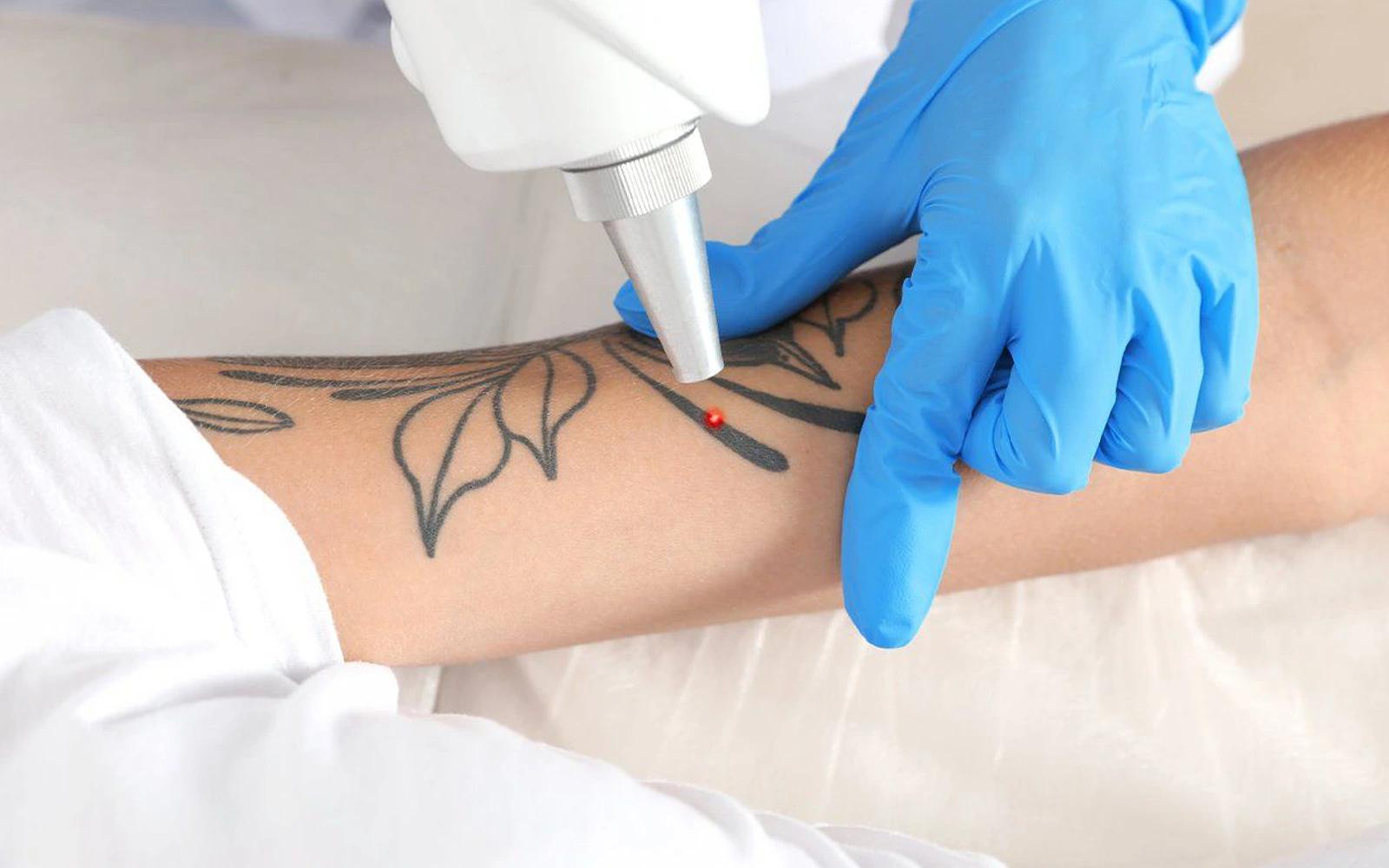
Tattoo Removal in Dubai: Laser Sessions, Pain, Recovery, and Cost
Laser tattoo removal in Dubai is planned after we see the ink, colours, and your skin. At Kayla in Al Warqa 1 we explain sessions, aftercare, and fees in the consultation—not from a cream advert or a one-visit promise.
Searches for tattoo removal in Dubai often sit next to one-session promises, fading creams, and photos that skip blistering and leftover ink. At Kayla Medical Center, on the ground floor of Noori Building in Al Warqa 1, we start by looking at the tattoo and the skin around it. The clinic is licensed by the Dubai Health Authority, and you can speak Arabic or English.
Our tattoo removal service is described as laser-assisted ink clearance session by session. Black ink often responds faster than light colours; the number of visits is estimated after we have seen the tattoo. Suitability, spacing, and fees are decided after assessment—not invented in this article.
What you read here is general information from Kayla Medical Center. It is not a diagnosis, a guarantee of complete clearance, or personal treatment advice. Spreading redness, pus, fever, or unexpected darkening of the ink after a session needs prompt professional care—do not delay assessment based on a webpage.
What is laser tattoo removal?
A needle tattoo deposits ink in the dermis—the deeper, more stable layer of skin—so the mark is meant to last. Laser tattoo removal is the method health authorities most often describe for lightening or removing that ink in clinic: pulses of light energy shatter pigment into smaller particles, and the immune system clears them over time. It is not the same as laser hair removal, and it is not the same as resurfacing lasers used for texture or scars.
Tattoos are designed to be permanent. Complete removal can take many treatments and, in some cases, is not possible. A faint shadow, texture change, or colour shift can remain even when most of the design has faded.
How laser tattoo removal works
Different ink colours absorb different wavelengths of light. Dark blue and black are generally the easiest to treat; green, red, and yellow are often harder. Multi-coloured work may need more than one wavelength over the course of care. The laser does not “wash” the tattoo out in the chair. It fragments the ink; your body still has to clear the particles between visits, which is why sessions are spaced and why a healthy immune response matters.
Flesh-toned, white, and some permanent-makeup pigments can oxidize—turning darker—when treated with laser. Oxidized pigment may no longer respond. That is one reason we look at colour and cosmetic tattooing before anyone assumes a simple fade.
Who might consider tattoo removal
People seek treatment after a change in taste, a blurred or poorly placed design, an allergic reaction to ink, or a wish to lighten a mark before cover-up work. A consultation still comes first. Age of the tattoo, ink depth, body site, medicines, scarring history, and overall health all affect whether laser is reasonable. The American Academy of Dermatology notes that most people can be treated, with important exceptions: you need a functioning immune system for clearance to work, and treatment is not advised in pregnancy or while breastfeeding.
Kayla will not treat from a photo message alone. We need to see the tattoo, discuss medical history, and set expectations you can live with—including the chance that some ink remains.
Colours, ink depth, and why results vary
- Amateur, professional, and cosmetic tattoos are layered differently; one pass cannot safely break every layer.
- Dense black work often lightens more predictably than pastel, yellow, or mixed colour.
- Location matters: distal limbs and areas with slower circulation may clear more slowly.
- Skin type and sun exposure change the risk of light or dark spots after treatment.
This article does not name a laser brand or claim a specific pulse type as Kayla’s device. Wavelength choice, test spots, and settings belong in the consultation after we have seen you.
Step-by-step: what a course of care looks like
- Consultation: we review the tattoo, your health, medicines, scarring, and goals (full fade versus lightening for a cover-up).
- Plan: we discuss whether laser fits, what colours may lag, and that complete erasure is not promised.
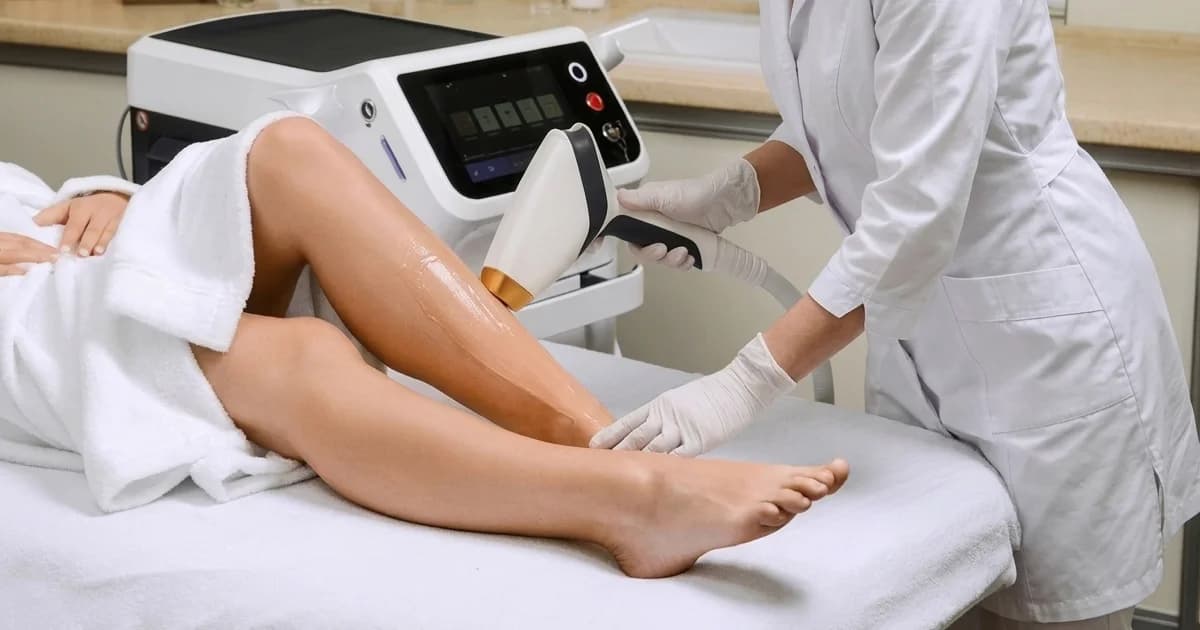
- Session: the area is prepared; numbing cream or another comfort measure may be offered if appropriate. Pulses are applied to the ink. You should expect sensation—often compared to a rubber-band snap—not a painless spa pass.
- Interval: weeks between visits so the skin can heal and the body can clear particles. Skipping aftercare or stacking sessions too soon raises risk.
How many tattoo removal sessions will I need?
There is no honest public number that fits every tattoo. Size, colour mix, ink depth, age of the work, body site, and how your skin heals all change the course. The FDA notes that multiple treatments with weeks in between are required, and that complete removal may not be possible. Kayla will estimate only after seeing the tattoo—not from this page.
Is laser tattoo removal painful?
It can feel uncomfortable or painful. Public guidance compares the feeling to snapping a thin rubber band against the skin. Numbing cream or a local anaesthetic injection may be used; that does not make the procedure completely painless, and we will not claim that it is. Sensitivity also varies by site—ankles and ribs often feel sharper than a fleshy upper arm.
Aftercare and how the skin may look
Redness, swelling, pinpoint bleeding, and some blistering can follow a session. The area may feel sore. Your clinician will give you washing, dressing, and ointment instructions for the days after treatment. Keep appointments: stopping early is a common reason ink remains. Protect the treated skin from the sun as advised—covering with clothing that actually blocks light matters more than a light T-shirt.
Do not pick blisters or scabs. If you see spreading redness, increasing pain, pus, fever, or an unexpected colour change in the ink, contact the clinic or seek urgent care rather than waiting for the next booked visit.
Risks and complications
- Light or dark spots that may take months to settle.
- Scarring, texture change, burns, or wounds—more likely if settings, aftercare, or operator training are poor.
- Infection.
- Incomplete clearance or a ghost of the original design.
- Darkening of white, flesh-tone, or some cosmetic tattoos that then respond poorly.
Mayo Clinic notes that some scarring or colour variation is likely to remain with tattoo removal in general. We discuss those limits before a course starts—not after you have already booked a package you cannot return.
Creams, kits, and home methods
The FDA has not approved tattoo-removal ointments, creams, or do-it-yourself kits. Superficial peels and bleaches do not reliably reach dermal ink. They can cause rash, burns, or scars—and leave the tattoo. Salt-scrub (salabrasion) videos are not a medical plan: they wound the skin and raise infection and scarring risk. We will not recommend those routes.
Tattoo removal cost in Dubai
This page publishes no AED price. Cost depends on size, colours, estimated session count, body site, and the plan agreed after examination. A small black line is not priced like a dense multi-colour sleeve. Confirm fees in consultation before you start a course.
Frequently asked questions
Not always. Many tattoos lighten a great deal; some ink can remain. Complete removal is not guaranteed.
Often not. Dark blue and black are usually easier. Green, red, and yellow are commonly harder. Multi-colour work may need more than one approach over time.
It can be. Numbing may be offered. We do not describe the session as painless.
Weeks, so skin can heal and the body can clear ink. Your clinician sets the interval. This page does not publish a fixed calendar.
Public dermatology guidance advises against laser tattoo removal in pregnancy and while breastfeeding. Tell us if that applies before any session is booked.
The FDA is not aware of evidence that they are safe or effective for tattoo removal, and they can harm the skin. We do not recommend them.
It depends on size, colour, and the agreed session plan. No AED figure is listed here. Confirm in consultation.
No. They use light for different targets—ink versus hair—and different plans, risks, and aftercare. Do not treat one page as instructions for the other.
Protect treated skin as instructed. Sun on healing lasered skin raises the chance of colour change. Cover the area; do not assume a light shirt is enough.
Conclusion: Plan tattoo removal at Kayla Medical Center
If laser tattoo removal at Kayla Medical Center may fit after this overview, open the service page and book a consultation. We will look at the ink and your skin, explain colour limits versus a cover-up, and confirm fees before a course begins. Bring your questions about pain, spacing, and aftercare to Al Warqa 1.
- Tattoo removal at Kayla Medical Center
- Contact Kayla Medical Center
- Laser hair removal in Dubai (different laser plan)
- CO2 laser in Dubai (resurfacing, not tattoo ink)
Further reading
- Tattoo removal: options and results, U.S. Food and Drug Administration
- Tattoo removal: lasers outshine other methods, American Academy of Dermatology
- Tattoo removal overview, Mayo Clinic
This page is general information from Kayla Medical Center, not a diagnosis or a treatment plan written for you. For spreading redness, fever, or an unexpected reaction after laser, contact the clinic or seek urgent care.