Postpartum Hair Loss In Dubai: Why It Happens, When To Worry, And Treatment
Postpartum hair loss in Dubai is often temporary telogen effluvium after birth—not permanent baldness. At Kayla Medical Center in Al Warqa 1 we explain peak shedding timing, when to seek assessment, and when watchful support or clinic pathways like PRP or mesotherapy may be discussed—after examination, especially while breastfeeding.
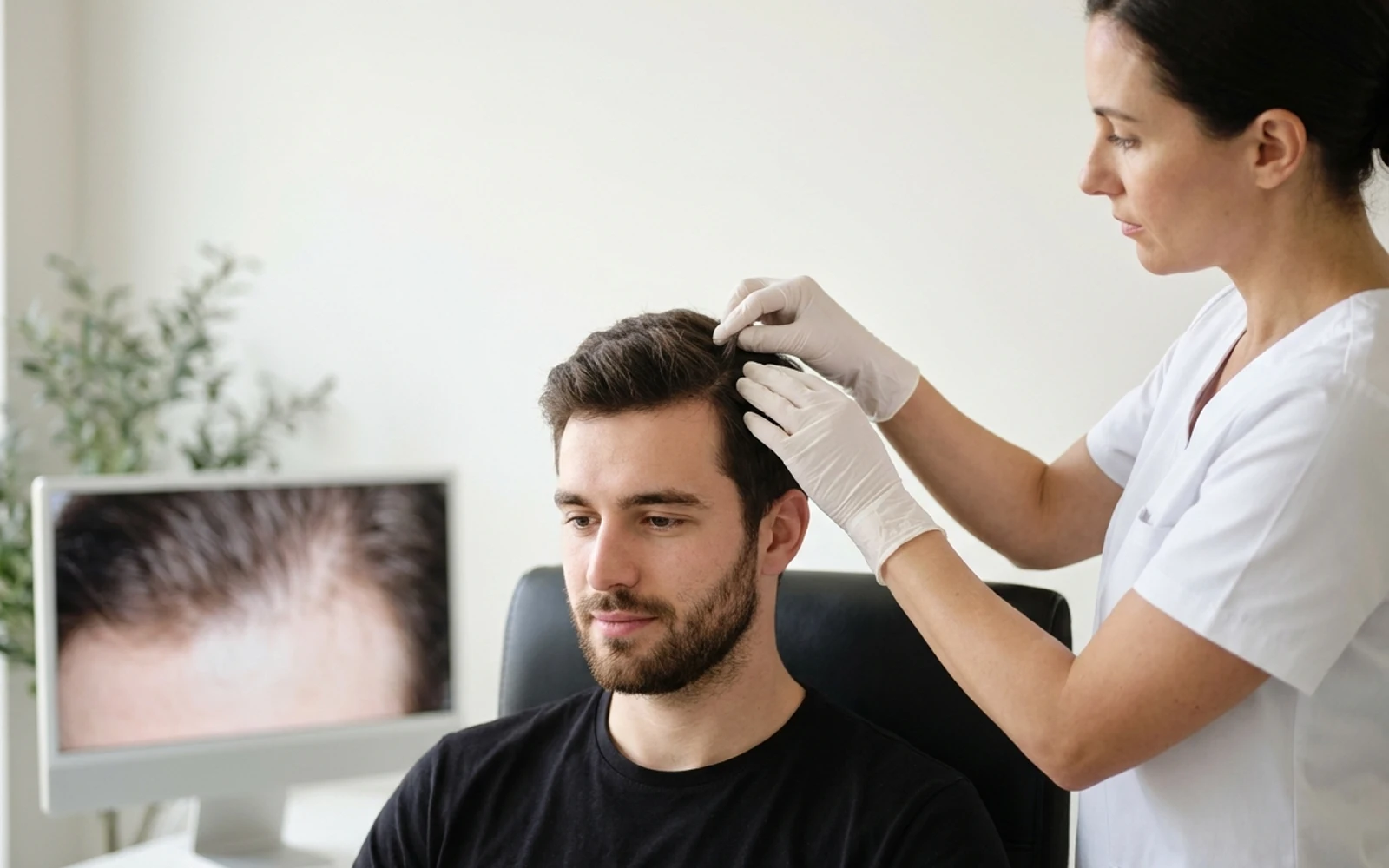
Searches for postpartum hair loss in Dubai often mix normal shedding after birth with true pattern thinning. At Kayla Medical Center in Al Warqa 1 we start with consultation: history, scalp exam, and an honest frame of what is temporary versus what needs a different work-up. The clinic is DHA-licensed; you can speak Arabic or English.
This page is education, not a hard sell during breastfeeding and not a promise of fast regrowth. We do not invent drug protocols as Kayla offers. Primary pathways discussed after exam stay within our hair service ceiling—PRP, mesotherapy, GFC, Regenera—when they fit.
What telogen effluvium after birth is
After delivery, falling estrogen can push many follicles into a resting phase. Months later, those hairs shed together. The American Academy of Dermatology (AAD) describes this as telogen effluvium—excessive shedding, not true permanent hair loss for most new moms. Shedding often peaks about four months after giving birth. Most women regain normal fullness by their child’s first birthday; many earlier.
AAD shedding guidance also notes that stress, illness, surgery, fever, weight loss, or stopping birth-control pills can trigger similar shedding. Mayo Clinic explains that significant stress can push follicles into rest so that hair loosens months later when you comb or wash. Mechanism in plain terms: a hormone and recovery shift—not “your hair is doomed.”
When to seek assessment
Book an assessment sooner if you notice bald patches, scalp pain or scaling, sudden clumps that feel unlike the usual postpartum brush-full, or if fullness has not returned by about twelve months. AAD says if hair has not regained normal fullness after one year, something else may be causing loss—accurate diagnosis matters. Patchy loss can signal other conditions that need medical review, not only “new-mom shedding.”
What Kayla may discuss after examination
Many postpartum cases need watchful support, gentle hair care, and time—not an urgent injectable course. When assessment suggests support beyond waiting, we may discuss PRP hair, hair mesotherapy, GFC, or Regenera within published service copy. We do not invent session counts, concentrations, or guaranteed density here. Broader hair-loss framing lives on our hair loss treatment guide; PRP versus GFC comparison has its own article.
- PRP hair at Kayla
- Hair mesotherapy at Kayla
- GFC hair at Kayla
- Regenera at Kayla
- Hair loss treatment in Dubai
- PRP vs GFC for hair loss
Pregnancy and breastfeeding caution
Do not start hair medications or clinic injectables while pregnant or breastfeeding without clinician clearance. This page does not invent minoxidil or finasteride as Kayla protocols. The American Academy of Dermatology advises that women who are pregnant, planning pregnancy, or breastfeeding should avoid minoxidil—education only, not a Kayla offer. Many other hair drugs are also deferred until cleared. We keep the bar high: education first, hard-sell never.
Sensation and expectations
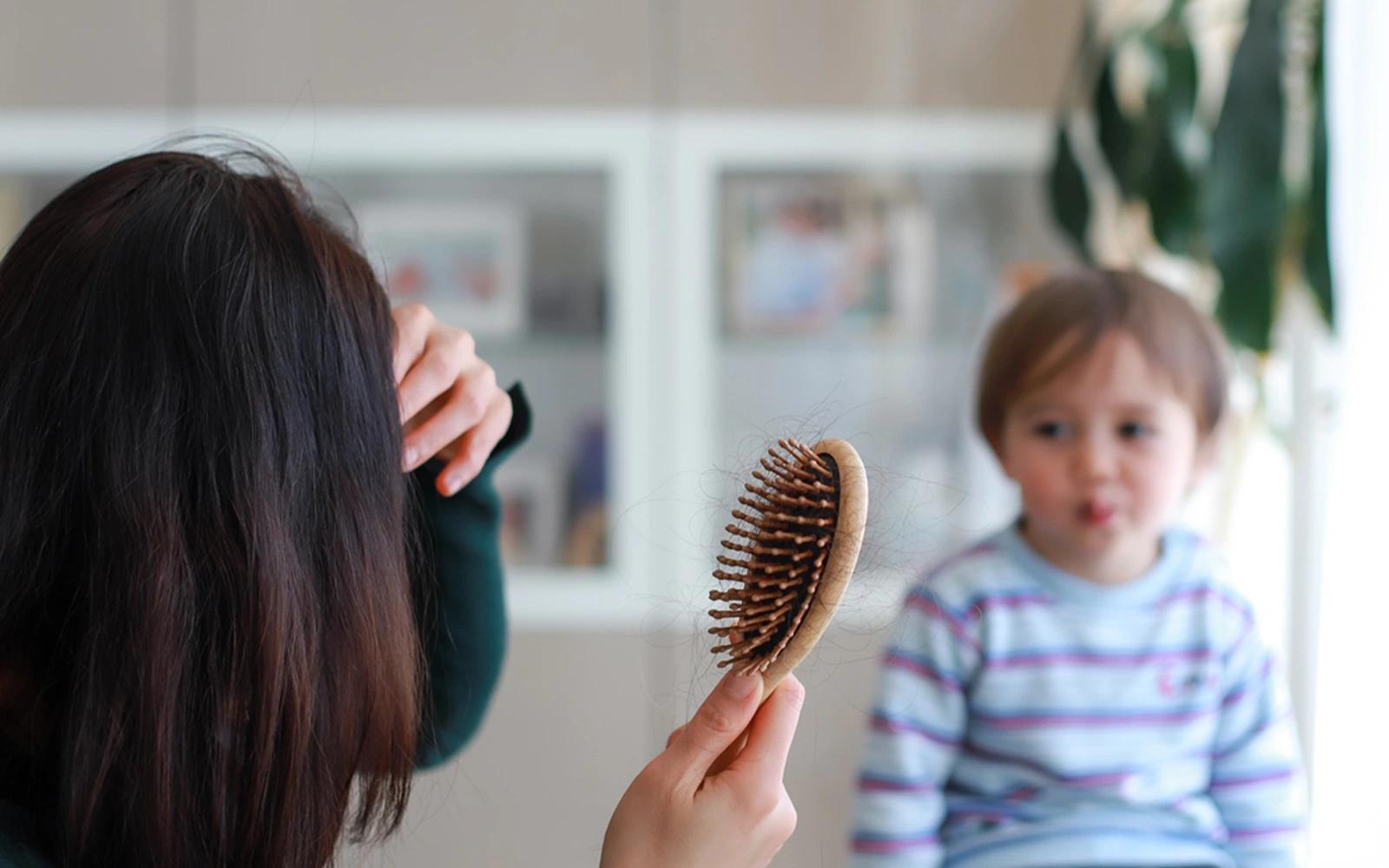
Seeing more hair in the brush can feel alarming even when it is the expected postpartum wave. Fullness returning is gradual. Clinic pathways, when used, support the scalp environment over a series—they are not overnight fill. We photograph and review progress honestly; we do not claim permanent baldness from normal postpartum shed.
Cost factors in Dubai
Fees depend on whether you need assessment only, supportive review, or a named course such as PRP or mesotherapy, plus how many visits are planned after exam. VAT and package structure are confirmed before booking. We do not publish invented package prices on this page—ask during consultation.
Frequently asked questions
Usually no. AAD frames typical new-mom shedding as temporary telogen effluvium; most women regain fullness by about one year. Persistent or patchy loss needs assessment.
AAD notes shedding often peaks about four months after giving birth. Timing varies; earlier or later waves can still fit the telogen pattern.
Only with clinician clearance. Many medication pathways are deferred. We do not invent drug doses here; assessment decides whether watchful waiting or a clinic pathway is appropriate.
No. Many recover with time and supportive care. PRP is one option after exam when denser support is discussed—not a default for every postpartum visitor.
Assessment complexity, whether a series is advised, which service (PRP, mesotherapy, GFC, Regenera), and visit count. Fees are confirmed before you book.
Conclusion: Talk through postpartum shedding at Kayla Medical Center
Postpartum hair loss in Dubai is often a timed hormone-driven shed—not a sentence of permanent baldness. At Kayla Medical Center in Al Warqa 1 we separate normal telogen effluvium from other causes, stay conservative during breastfeeding, and discuss PRP, mesotherapy, GFC, or Regenera only when assessment supports them. Open the PRP hair service page or contact the clinic to arrange a consultation.
Further reading
- Hair loss in new moms: dermatologist tips, American Academy of Dermatology
- Hair loss or hair shedding? American Academy of Dermatology
- Female pattern hair loss: minoxidil and pregnancy/breastfeeding caution (education only), American Academy of Dermatology
This page is general information from Kayla Medical Center about postpartum shedding—not a diagnosis and not a prescription for minoxidil, finasteride, or any invented drug protocol. External society links are education; they do not mean Kayla runs those branded regimens. Suitability—especially while pregnant or breastfeeding—requires examination.